








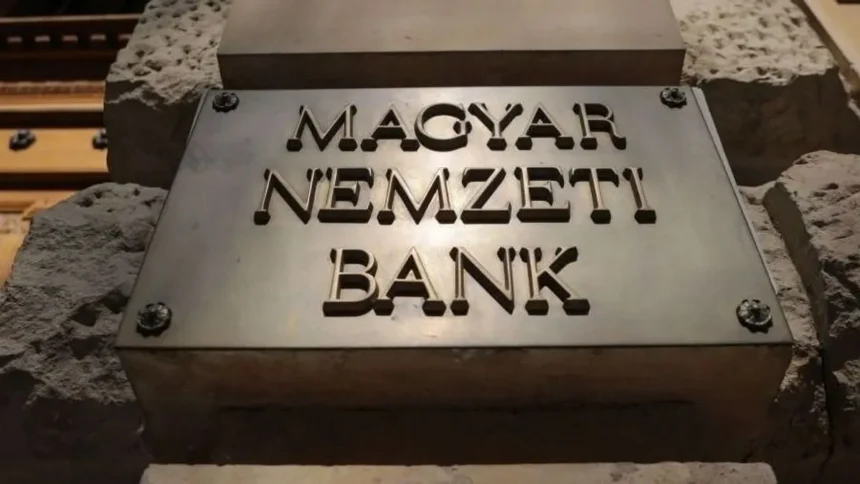
MNB Cuts Base Rate to 5.5%: What It Means for Hungary
The Monetary Council of the Hungarian National Bank (MNB) announced a key decision on Tuesday. It cut the central bank’s base rate, also known as the policy rate, by 25 basis points to 5.50%. This marks the third consecutive month of such a reduction, aligning with analysts’ expectations.
Understanding the Rate Change
In the world of central banking, a basis point is one-hundredth of a percentage point. So, a 25-basis-point cut means the rate has been lowered by 0.25%. The MNB did not stop there; it also narrowed the „interest rate corridor” – the range within which short-term rates fluctuate. Both the lower and upper edges of this corridor were lowered by 25 basis points.


| Rate Type | Current Rate | Previous Rate |
|---|---|---|
| Base Rate | 5.50% | 5.75% |
| O/N Deposit Rate (lower corridor) | 4.50% | N/A |
| O/N Lending Rate (upper corridor) | 6.50% | N/A |
A Continuing Trend
This is part of a clear easing cycle. The Council last cut the base rate in July, also by a unanimous 25-basis-point decision. To find a time when the base rate was consistently below its new level, one must look back to April 2022, when it stood at 5.40%.



Impact on Hungary
What does this mean for people and the economy?
- For Borrowers: Lower central bank rates generally lead to cheaper loans over time. This can mean slightly lower interest rates on new mortgages, car loans and business loans, making borrowing more affordable.
- For Savers: The opposite effect is often felt by savers. The interest earned on savings accounts and fixed-term deposits may gradually decrease, as banks adjust their offered rates downward in response.
- For the Economy: The primary goal of such a cut is to stimulate economic activity. By making credit cheaper, the MNB hopes to encourage spending by consumers and investment by businesses, which can support economic growth.
In summary, the MNB’s decision continues a measured pace of monetary policy easing, a move closely watched by everyone from homeowners and entrepreneurs to economists, as it ripples through the Hungarian financial system.